Can You Replace a Roof in Winter? All You Need To Know
Many Houston homeowners wonder if winter is the right time to replace a roof. While summer is often thought of as ideal for roofing projects, Houston’s mild winter climate makes it a viable option, but there are some things you need to know before scheduling. At Solstice Roofing, we’ve guided countless homeowners across the Greater Houston area through safe, efficient winter roof replacements, and here’s what we’ve learned.
Why Houston Winters Make Roof Replacement Possible?
Unlike northern states, Houston rarely experiences freezing temperatures that would make roof installation impossible. Asphalt shingles, metal roofs, and most other common roofing materials can be installed safely during winter, as long as crews plan around rainy or unusually cold days.
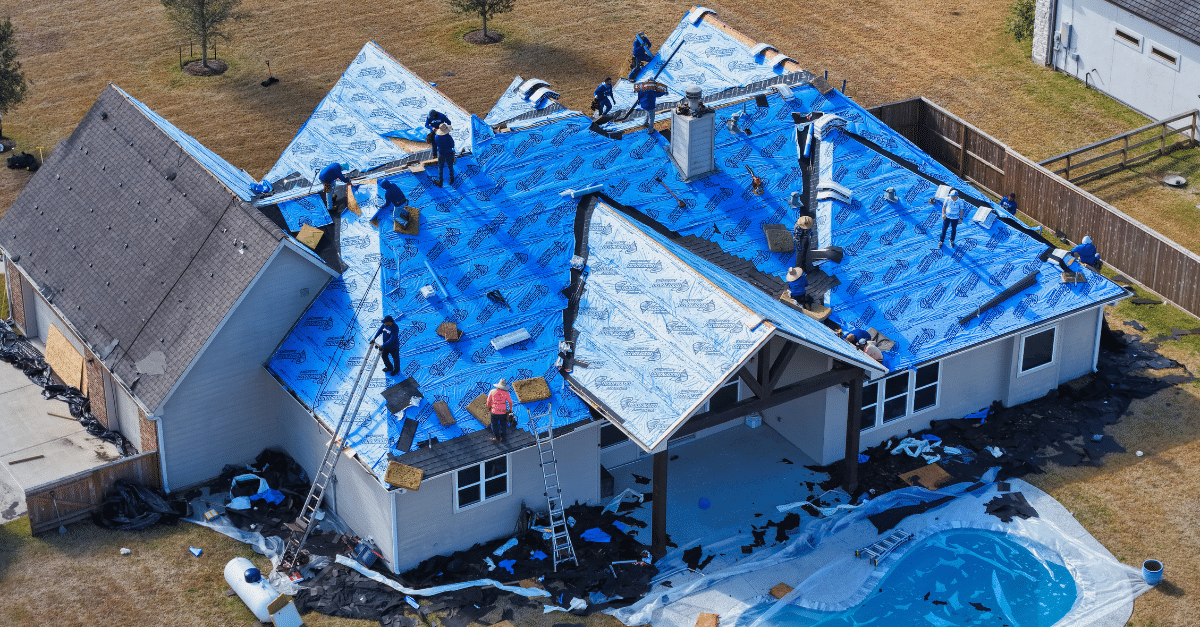
For example, a homeowner in Pearland scheduled a January roof replacement. By coordinating around a stretch of mild, dry days, the project was completed efficiently and without compromising quality. The key takeaway? Winter doesn’t automatically mean “no roofing,” but timing and planning are crucial.
The Benefits of a Winter Roof Replacement
You might be surprised, but replacing a roof in Houston during winter can actually have some advantages. Schedules are generally less crowded, meaning you can often book faster than in the busy summer months. Mild temperatures are easier on both roofing crews and shingles, which can improve installation quality.
Less disruption is another perk. With fewer projects underway, crews can focus more attention on your home, ensuring everything is done correctly. One homeowner in Pearland appreciated how quickly their winter project was completed compared to summer, and how smoothly the crew worked with minimal disturbance to the family’s routine.
Challenges to Keep in Mind
Of course, winter roofing isn’t without its challenges. While Houston winters are mild, rainy days and occasional cold snaps can delay projects. Some roofing materials are sensitive to lower temperatures and require special handling.
Insurance is another consideration. Homeowner policies may have specific provisions for winter installations, so it’s wise to confirm coverage before work begins. These are not deal-breakers, but they are factors to plan around for a smooth, safe replacement.
Tips for a Smooth Winter Roof Replacement
If you’re asking, “can you replace a roof in winter?”, here are a few strategies that Houston homeowners should follow:
- Plan ahead: Schedule inspections and materials early to avoid last-minute delays.
- Work with local experts: Choose a Houston roofing company familiar with winter weather conditions.
- Monitor the forecast: Even in Houston, heavy rain or sudden cold snaps can temporarily pause a project.
- Select materials wisely: Asphalt shingles and metal roofs generally perform well in Houston winters, while some specialty products may need extra care.
Planning and preparation are the difference between a smooth winter installation and an interrupted one.
Real-World Example
A family in Sugar Land needed a roof replacement in January. By working with Solstice Roofing and planning around a week of mild weather, the project was completed on time, with no weather-related damage or delays. The homeowners enjoyed minimal disruption and a perfectly installed roof, even after a few unexpected winter showers. Stories like this highlight why planning, local expertise, and material choice are just as important as the season itself.
So, can you replace a roof in winter? Absolutely. Houston’s climate makes winter a viable season for roofing, but success depends on preparation, timing, and working with a knowledgeable local roofing company. By planning ahead, monitoring weather, and choosing the right materials, homeowners can enjoy a smooth, high-quality roof replacement even in the colder months.
If you’re considering a winter roof replacement in Houston, contact our team at Solstice Roofing today. We provide professional & free roof inspections, honest advice, and a plan tailored to your home and schedule, ensuring your roof protects your family year-round.